Our Services
Duct & Vent CleaningFrom Free Estimates
›
AC MaintenancePackages from $149
›

Indoor Air QualityThermostats, UV Lights & More
›
CommercialRefrigeration & Restaurant
›
Quick Links
Find the exact size for your Trane AC, heat pump or air handler in MERV 8, 11 and 13 — and buy it right here. We deliver free across Miami-Dade & Broward, install it for you, offer auto-delivery subscriptions, and ship anywhere in the USA.
Licensed Florida HVAC contractor (#CAC1817115). These are quality universal-fit replacement filters that fit Trane systems by size — they are not Trane-brand (OEM) filters.
Most Trane systems use one of these common sizes. Tap yours to shop it right here.
Browse all sizes & MERV options →Buy the exact filter for your Trane system, delivered and installed. Search or use the size finder below to jump to your size — we carry the full standard catalog (all standard sizes) in MERV 8, 11 & 13, plus 4-inch media and custom.
Our air filters fit Trane AC units, heat pumps & air handlers — guaranteed to fit. Air filters are sized by W×L×D, not by brand, so a correctly-sized universal-fit filter fits every Trane system perfectly. Just so you know: these are quality universal-fit filters that fit Trane systems — they are not Trane-brand (OEM) filters — so you get the perfect fit without paying the brand markup. Pick your size below (or let us confirm it) and it's the right fit, every time.
💰 Buy packs — save more per filter. Free shipping always · free local delivery within 3 days + free 1st-filter install on 6+ (Miami-Dade & Broward).
Never think about filters again. The right filter ships on your schedule, we swap it for you, and run an AC quick-check every visit. Subscribe & Save on every order — change or cancel anytime, no contract. You can also turn on Subscribe & Save on any product when you check out below.
Older home or non-standard return? Tell us your measurements and we’ll cut it to fit and deliver it.
Request a Custom Size →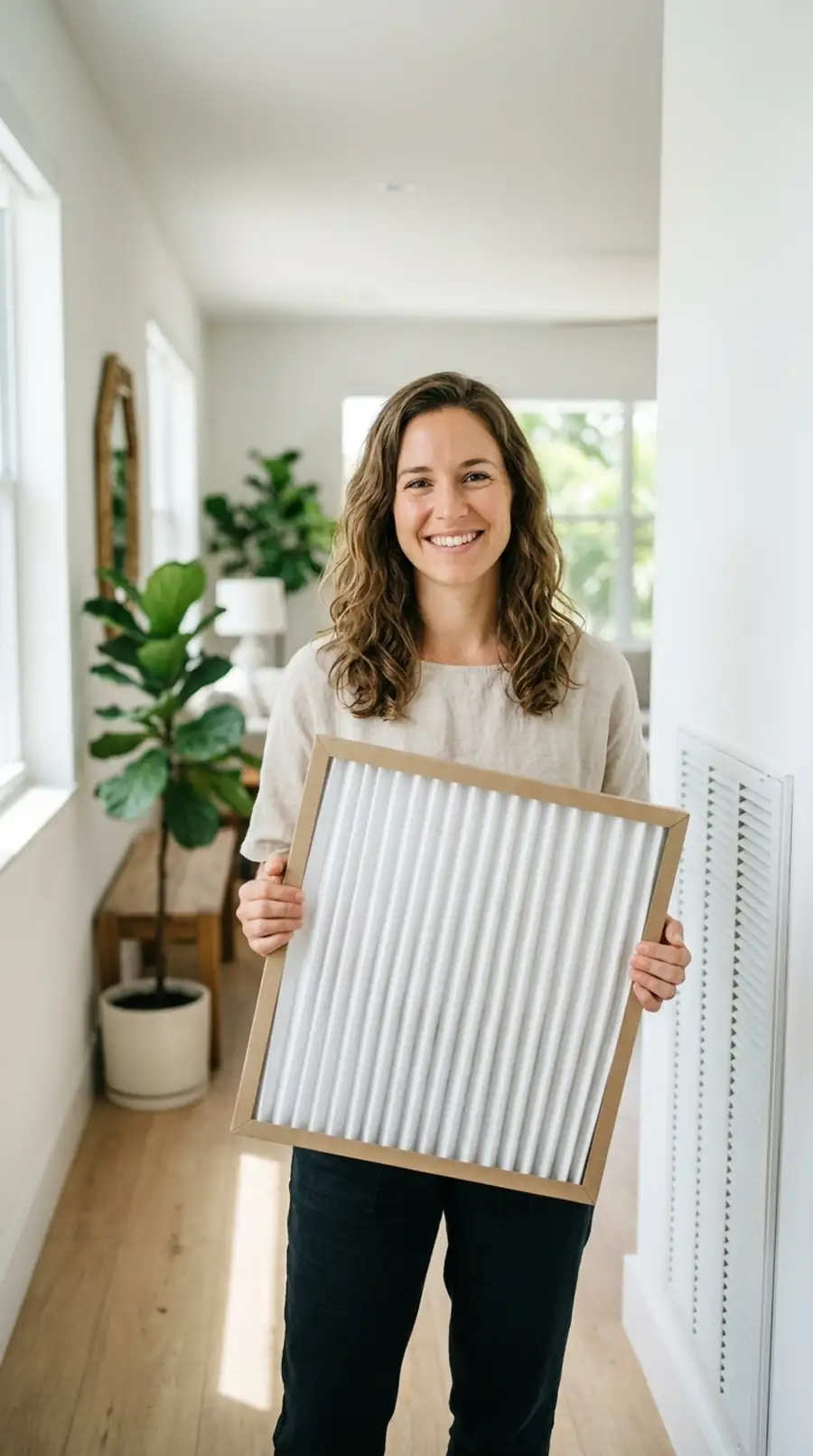
No ladders, no guessing the size, no wrestling the old one out. Order online and a licensed local team member delivers your Trane-fit filter to your door in Miami-Dade & Broward — and installs it on the spot, free. Out of the area? We ship it to you anywhere in the USA.
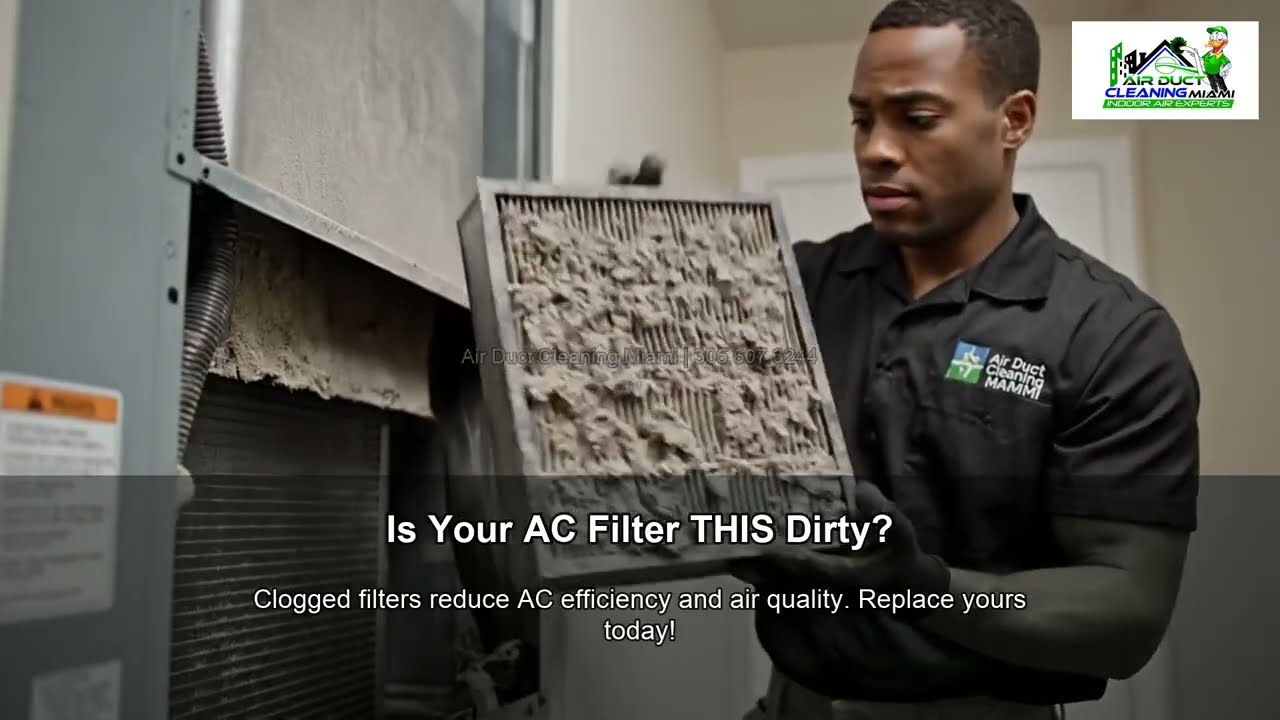
Watch what happens when you don’t change your AC filter regularly.
Trane air filters are standard pleated HVAC filters sized to fit your Trane central air, heat pump or air handler — Trane does not use one universal size, so the filter you need depends on your system's return opening, not the brand name. The most common filter sizes that fit Trane systems in Miami homes are 16x25x1, 20x25x1, 17x25x1, 20x20x1 and 14x25x1. Air Duct Cleaning Miami stocks every one of these sizes in MERV 8, 11 and 13, delivers free across Miami-Dade and Broward County, and installs them for you — first install free. Licensed FL HVAC contractor #CAC1817115, BBB A+.
One of the biggest myths about Trane filters is that there's a single “Trane size”. There isn't. Trane builds a wide range of systems — the XV (variable-speed), XR and XL series of central air conditioners and heat pumps, plus matching Trane Hyperion air handlers — and the filter size is determined by the return-air opening on your specific unit or wall grille, not by the Trane badge on the cabinet. Trane and American Standard share the same engineering, so an American Standard return usually takes the identical sizes. Two homes can both run Trane and need completely different filters.
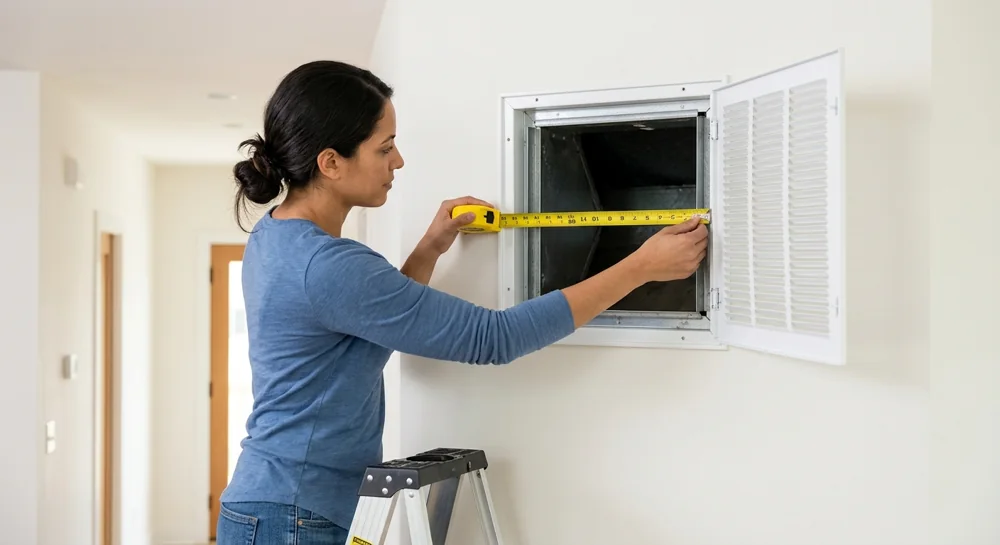
The fastest way to know your size: pull out the filter you have now and read the three numbers printed on the cardboard frame — width × length × depth, like 16x25x1. If you can't find a filter, measure the slot opening in inches. Below are the sizes we see most often on Trane systems across Miami-Dade and Broward. Tap any size to shop it on this page.
| Filter Size (W×L×D) | Typical Trane System | Shop |
|---|---|---|
| 16x25x1 | Many Trane upflow air handlers & smaller homes | |
| 20x25x1 | Larger Trane XV & XR central air returns | |
| 17x25x1 | Trane-specific oddball return openings | |
| 20x20x1 | Common Trane condo & townhome returns | |
| 14x25x1 | Older Trane & American Standard narrow returns |
Don't see your size? We source any size, including 4-inch media filters and custom. Call (305) 607-3244 and we'll identify it free.
On most Trane systems the filter lives in one of two places. The first is a slot on the return-air side of the indoor air handler — typically a Trane Hyperion air handlers unit in a closet, garage, attic or utility room. Look for a removable filter door or a slide-out slot near where the large return duct connects to the unit; on Trane upflow and horizontal air handlers it's usually at the bottom or side intake. The second common location is behind a return-air grille on a wall or ceiling — if your home pulls air through a large grille, the filter slides in right behind it. Some Trane setups with a Trane CleanEffects or media-cabinet cabinet hold a thicker media filter in a dedicated housing next to the air handler.
Every pleated filter has an airflow arrow printed on the side, and it must point toward the blower / air handler — the same direction air is being pulled into the system, away from the return duct and toward the coil or furnace. In a Trane air handler the arrow points toward the unit; behind a wall or ceiling return grille, the arrow points into the wall or ceiling. Installing a filter backwards collapses the pleats, restricts airflow and lets dust slip past — a small mistake that strains the blower and shortens the life of your Trane system. When our technician installs your filter, we set the arrow correctly every time.
Trane residential systems are designed around standard 1-inch filters, so the everyday sweet spot is MERV 8 to MERV 11. Go higher only when you have a reason — pets, allergies or asthma — and watch the airflow. Pushing a dense MERV 13+ filter into a standard 1-inch Trane return can restrict airflow enough to ice the coil or overwork the blower motor. If you want hospital-grade filtration on a Trane system, the right move is a thicker media filter in a Trane CleanEffects or media-cabinet cabinet, which delivers high MERV without choking airflow. Not sure which way to go? Our AC maintenance team can check your Trane's static pressure and recommend the safe maximum.
Everyday dust, pollen and pet dander. The safe default for most Trane systems.
Step up for pets, kids or mild allergies on a Trane AC or heat pump.
Fine particles, smoke and allergens — best in a Trane media cabinet.
A filter from the hardware-store shelf is just a filter. We're a licensed Miami HVAC contractor who delivers the right one and installs it for you.
Bought the wrong size at the store before? We confirm your Trane size first, so the filter always fits. No returns, no guessing in the aisle.
No driving to the store, no carrying a stack of filters. We deliver across Miami-Dade and Broward within 3 days, and ship anywhere in the USA.
A box-store filter still leaves you on a ladder. Our licensed technician installs it, sets the airflow arrow, bags the old one and takes it — first install free.
Put your Trane filters on a 1, 2 or 3-month schedule. We bring the right size, swap it, and quick-check your AC every visit. Cancel anytime, no contract.
A dirty filter is the #1 cause of avoidable Trane AC breakdowns in Florida — the U.S. Department of Energy reports a clogged filter can raise HVAC energy use 5–15%. On a Trane system running year-round in Miami heat, a $7 filter pays for itself fast. Need more than filters? See our AC repair and air duct cleaning services.
Answer a few quick questions — we’ll match you to the right filter and the best way to get it, in about 30 seconds.
Tap any size to see its details, MERV options & price. We stock the full standard catalog in 1″, 2″ & 4″ — and cut custom sizes to fit.
Just the part that matters: what each one is best for, what it captures, and the price. Tap a tier to shop that rating in the catalog above.
✓ Every filter — delivered free across Miami-Dade & Broward, and we’ll install it for you.
| What it catches | MERV 8Standard | MERV 11Advanced | MERV 13Allergen | CarbonOdor Eliminator |
|---|---|---|---|---|
| Filtration efficiency | 90% | 95% | 98% | 90% + odor |
| Dust mites 10+ microns | ✓ | ✓ | ✓ | ✓ |
| Pollen 10–100 microns | ✓ | ✓ | ✓ | ✓ |
| Pet dander 5–10 microns | ✓ | ✓ | ✓ | ✓ |
| Lint & fabric fibers 10+ microns | ✓ | ✓ | ✓ | ✓ |
| Mold spores 3–10 microns | — | ✓ | ✓ | — |
| Fine dust & smoke 0.3–1 microns | — | — | ✓ | — |
| Odors / gases / VOCs molecular level | — | — | — | ✓ |
Buy more, save more. Example pricing for our most common size, 16x25x1 (MERV 8). The more filters per order, the lower the per-filter price — same goes for every size and MERV tier.
| Quantity | Price Each | You Save |
|---|---|---|
| 1 filter | $28.30 | — |
| 4-pack | $9.15 | 68% off |
| 6-pack | $6.83 | 76% off |
| 12-pack | $6.03 | 79% off |
Prices are per filter and vary by size and MERV rating. Free local delivery on every order across Miami-Dade & Broward.
These are the sizes most Miami homes and condos use. Don’t see yours? We source any size, including custom — just tap “Custom Size” or call us.
Standard depths: 1″, 2″ and 4″. Custom sizes available for older homes and non-standard returns.
Keeping up with your filter schedule is a hassle. Put it on auto-delivery and we handle it — the right filter, on your schedule, swapped for you.
South Florida is brutal on filters. Humidity, year-round pollen and constant AC runtime clog them faster than anywhere else. Here’s the right schedule.
A clogged filter forces your AC to work harder — the U.S. Department of Energy says a dirty filter can raise energy use 5–15%. In Florida, where AC is 40%+ of your electric bill, a $7 filter pays for itself. Not sure what your home needs? Our AC maintenance team can set your ideal schedule.
Real reviews from homeowners, condo residents and property managers who get their filters from us.
“I used to forget my filters for months. Now they come to my door on a schedule and the tech swaps it in five minutes. The MERV 11 they recommended cut down my allergies big time. Way easier than ordering a box online.”
“I manage 12 rental units in Doral. They deliver the right filter to each unit on a quarterly schedule and install them too. One vendor, one invoice, every unit covered. Saves me a full day every month.”
“My mom can’t reach her filter in her Hallandale condo. They bring the right MERV 11 for her allergies, install it, and check her AC every visit. Peace of mind for me, clean air for her.”
Everything you need to know about Trane air filters — sizes, fit and delivery in Miami.
Local delivery within 3 days and install throughout Miami-Dade and Broward County. Don’t see your city? Call (305) 607-3244.
Order the right filter for your Trane system now. We’ll bring the right size to your door, install it if you want, and take the old one with us. Set up auto-delivery and never think about filters again.