Our Services
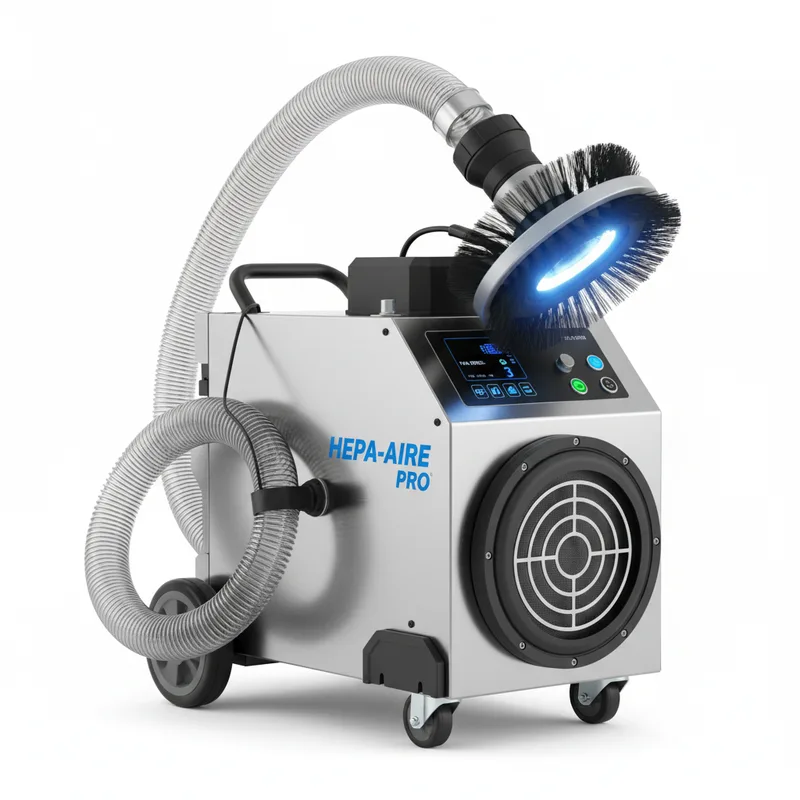
Duct & Vent CleaningFrom Free Estimates
›
AC MaintenancePackages from $149
›

Indoor Air QualityThermostats, UV Lights & More
›
CommercialRefrigeration & Restaurant
›
Quick Links
AC not cooling? Blowing warm? Leaking onto the unit below? Quit in your oceanfront condo in the middle of the night? On the barrier island a dead AC is an emergency — and salt air makes failures hit faster here than anywhere. We dispatch licensed technicians 24/7, same-day, across South Beach, Mid-Beach, and North Beach, with the corrosion-prone parts on the truck. No after-hours gouging. Free diagnostic estimate with job approval before any repair. FL Licensed HVAC contractor #CAC1817115, BBB A+, serving all of Miami Beach.
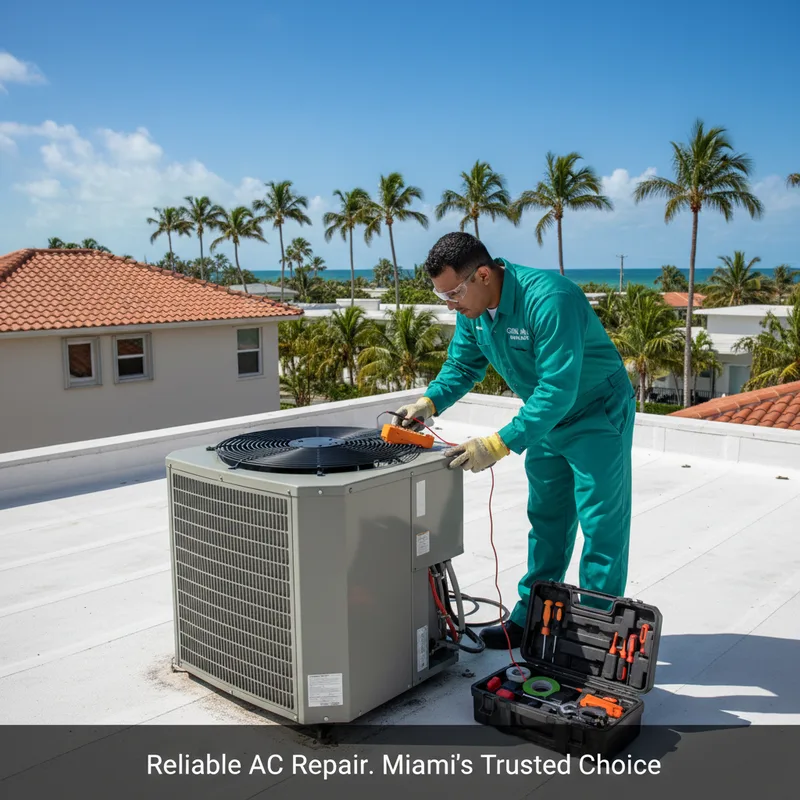
Emergency AC repair in Miami Beach, FL is around-the-clock, same-day service for a condo or home air conditioner that has stopped cooling, blows warm, leaks water, trips the breaker, or quits during a heat wave. Air Duct Cleaning Miami (FL Licensed #CAC1817115, BBB A+) dispatches licensed technicians 24/7 across South Beach, Mid-Beach, and North Beach. Because Miami Beach is a barrier island directly on the Atlantic, relentless oceanfront salt air corrodes condenser coils, contactors, and electrical terminals years faster than inland units — the leading cause of breakdowns here. We carry the corrosion-prone parts on the truck, charge no after-hours surcharge, handle high-rise and rooftop access, and give a free diagnostic estimate with job approval before any repair. Call (305) 607-3244.
Tell us the symptom and your building and we'll get a licensed technician to your Miami Beach condo or home fast. These are the calls we run most across South Beach, Mid-Beach, and North Beach.
The fan runs but the air is warm. On Miami Beach this usually means a salt-corroded condenser coil leaking refrigerant, a failed capacitor, or a contactor eaten by oceanfront salt air. We find the cause and get cold air flowing again.
Most common Miami Beach callDead system, no fan, no hum. Often a blown capacitor, corroded contactor, tripped breaker, or failed thermostat — corrosion is the usual culprit on the island. We carry these parts on the truck and replace most on the first visit, day or night.
24-hour responseIn a condo, a clogged drain line or rusted drain pan can flood your floor and the unit below you — a costly neighbor claim. Shut the system off and call. We clear the drain and stop the leak before it damages your unit or your downstairs neighbor's.
Protect the condo belowIce on the refrigerant lines or coil means low refrigerant or restricted airflow — often from a corrosion leak in salt-air conditions. Running it frozen burns out the compressor. We thaw it safely, find the root cause, and fix it.
Save the compressorThe AC trips the breaker every time it kicks on. That's an electrical fault — a failing compressor, shorted capacitor, or salt-corroded wiring and terminals, which Miami Beach units develop fast. Don't keep resetting it; that's a fire risk. We diagnose it safely.
Electrical safetyA burning, electrical, or hot-plastic smell, or loud grinding, banging, and screeching, means a part is failing right now. Turn the system off and call immediately — we'll get a technician out before it becomes a full system failure.
Shut off & call nowMiami Beach is a barrier island sitting directly on the Atlantic, and that's exactly what makes it one of the harshest places in the country on an air conditioning system. The salt air is constant. Every condenser mounted on a rooftop, balcony, or exposed pad on the oceanfront high-rises along Collins Avenue and Ocean Drive takes a steady bath of salt spray that corrodes coil fins, contactors, and electrical terminals years faster than the same unit would last just a few miles inland. Combine that corrosion with near-constant runtime in the island humidity, and Miami Beach generates the highest rate of refrigerant leaks, contactor burnout, and capacitor failures we see anywhere we work.
The pattern follows the coastline. Units in the oceanfront towers of South Beach and Mid-Beach, the older buildings in North Beach, and the waterfront homes on the Venetian, Sunset, Star, Palm, and Hibiscus Islands all corrode faster than anything inland. The Art Deco district's older buildings, the dense condo towers, and the seasonal load during tourist season all add up to systems that are pushed hard and fail at the worst possible time — often at night, often with the building below at risk from a water leak.
Because we work the island daily across South Beach, Mid-Beach, and North Beach, our licensed technicians know exactly how salt-air corrosion attacks these systems and carry the parts that fail most — capacitors, contactors, refrigerant, and drain-line tools. We're set up for high-rise reality too: garage access, loading docks, elevators, and rooftop or balcony condenser locations. For a major repair or a system the salt air has finally claimed, see our honest take on AC repair across Miami and Broward, and once you're cooling again, regular Miami Beach AC maintenance and a yearly AC tune-up in Miami Beach — with coil cleaning and corrosion checks — are the best defense against the next salt-driven breakdown.
No runaround, no surprise pricing. Here's exactly what happens when you call us for an AC emergency in Miami Beach.
Call (305) 607-3244 or drop your ZIP in the form any hour. Tell us your building and floor so we can plan for garage, elevator, and rooftop or balcony access. We book the soonest window — often same-day.
Around the clockA uniformed, licensed technician heads across the causeway with the common Miami Beach corrosion-failure parts already on the truck — capacitors, contactors, refrigerant, drain tools.
Parts on the truckThe tech runs a full diagnostic, shows you the actual corroded or failed part, and gives a clear estimate — with no after-hours or overtime surcharge. You decide before any work begins.
No surprise pricingMost repairs are done on the first visit. We test the system, confirm it's cooling properly, and leave your Miami Beach condo or home comfortable again — not just patched.
Fixed rightFrom a renovated mini-split in a South Beach condo to a rooftop package unit on a Mid-Beach tower, we repair them all.
The heat pumps and central systems found in most Miami Beach condos and homes. We repair the condenser, evaporator coil, blower, and refrigerant circuit — including salt-corroded coastal units.
Common in renovated SoBe and North Beach units. We diagnose and repair the outdoor condenser, indoor head, and refrigerant lines when corrosion or a capacitor takes them down.
Rooftop condensers and package units on high-rise buildings and homes. We handle the access, the corrosion, the drain-line clogs, and the electrical failures these exposed systems develop.
Brands we service: Carrier, Rheem, Trane, Goodman, Bryant, Ruud, Lennox, York, Amana, American Standard, Mitsubishi, Fujitsu and more.
4.8 stars across 33 verified reviews. Real emergency calls from real Miami Beach condos and homes.
"AC quit at night in our South Beach condo in August with guests in town. Tech out same evening, handled the garage and rooftop access without complaints. The contactor was completely eaten by salt corrosion. Replaced on the spot, no insane after-hours charge. Cold again before bed."
"Mid-Beach high-rise on Collins, our balcony condenser coil had corroded and leaked out the refrigerant. Another company pushed a full replacement. These guys found and sealed the leak, recharged it, and were honest about the salt air. Knew exactly how oceanfront units fail."
"Water leaking from the air handler in my North Beach unit, terrified it would hit the condo below. They walked me through shutting it off, came out fast, cleared the clogged drain, checked the system. Stopped a disaster with my downstairs neighbor. Lifesavers."
What Miami Beach condo owners and homeowners ask most when the AC quits.
Yes. We dispatch emergency AC repair across Miami Beach, FL 24 hours a day, 7 days a week, including nights, weekends, and holidays. Whether you're in a South Beach condo, a Mid-Beach high-rise, or a North Beach home, a licensed technician can usually reach you the same day when your AC quits. Call (305) 607-3244 and we'll confirm the soonest available window for your building and ZIP.
We dispatch across the barrier island daily — South Beach, Mid-Beach, and North Beach — over the MacArthur, Julia Tuttle, and 79th Street causeways. Most Miami Beach emergency calls get same-day service, and during peak summer and tourist season we triage true no-cooling emergencies first. Tell us your building when you call so we can plan for garage access, loading docks, and rooftop or balcony condenser locations.
An AC that runs but blows warm on Miami Beach usually means low refrigerant from a corroded leaking coil, a failed capacitor, or a salt-eaten contactor that can't carry the load. Oceanfront salt air attacks the metal in condensers harder here than almost anywhere in South Florida, so corrosion-driven failures are the number-one cause. Our technician runs a full diagnostic, shows you the actual corroded part, and gives a free estimate with job approval before any repair.
We start with a free diagnostic estimate with job approval — a licensed technician inspects your system and shows you exactly what failed before quoting anything. We don't add overtime or after-hours surcharges to gouge you in an emergency, and we never quote a firm price sight-unseen. You'll know the full cost before any work begins. Most emergency repairs — capacitors, contactors, refrigerant, drain lines — cost far less than people fear, even in oceanfront condos.
Miami Beach is a barrier island directly on the Atlantic, so the salt air is relentless and brutal on air conditioning. Condensers mounted on rooftops, balconies, and exposed pads on oceanfront high-rises along Collins Avenue and Ocean Drive take constant salt spray, which corrodes coil fins, contactors, and electrical terminals years faster than inland units. Add near-constant runtime in the humidity and you get the area's highest rate of refrigerant leaks, contactor burnout, and capacitor failures. We carry the corrosion-prone parts on the truck to fix them on the spot.
Yes — and quickly, because in a condo a leak can flood the unit below you and cause a costly neighbor claim. If you see water pooling around the indoor air handler or ice on the refrigerant lines, switch the system off at the thermostat to stop the leak and coil freezing, then call us. Set the fan to ON to help any ice thaw, place a towel under the drip, and we'll get a technician out to find the clogged drain or refrigerant problem before it damages your unit or the one below.
Yes. We regularly service condos and high-rises across South Beach, Mid-Beach, and North Beach, including units with rooftop condensers, balcony-mounted systems, and air handlers in tight closet chases. Tell us your building and floor when you call so we can plan for elevator and roof access and bring the right equipment. We work cleanly and respectfully in occupied condo buildings.
Yes. We run emergency AC repair throughout Miami Beach — South Beach, South of Fifth, Flamingo/Lummus, the Art Deco district, Mid-Beach, North Beach, and the Venetian, Sunset, Star, Palm, and Hibiscus Islands and Belle Isle — plus the nearby island communities of Surfside, Bal Harbour, Bay Harbor Islands, and North Bay Village. Call (305) 607-3244 to confirm your building and ZIP.
We run 24/7 emergency dispatch to every Miami Beach neighborhood and the surrounding island communities. The oceanfront towers closest to the salt air see the most corrosion-driven breakdowns, and we're built to reach them fast.
Once you're cooling again, keep the salt air from claiming the next unit.
Don't see your building? Call (305) 607-3244 — we likely serve your ZIP. View the full emergency AC repair service area.
24/7 same-day dispatch, licensed technicians, oceanfront condo and high-rise specialists, parts on the truck, and a free diagnostic estimate with job approval before any repair. Drop your ZIP or call now — we'll get your Miami Beach unit cooling again.