

Why Is My AC Leaking Water in Miami? What Homeowners Need to Know (2026 Checklist)
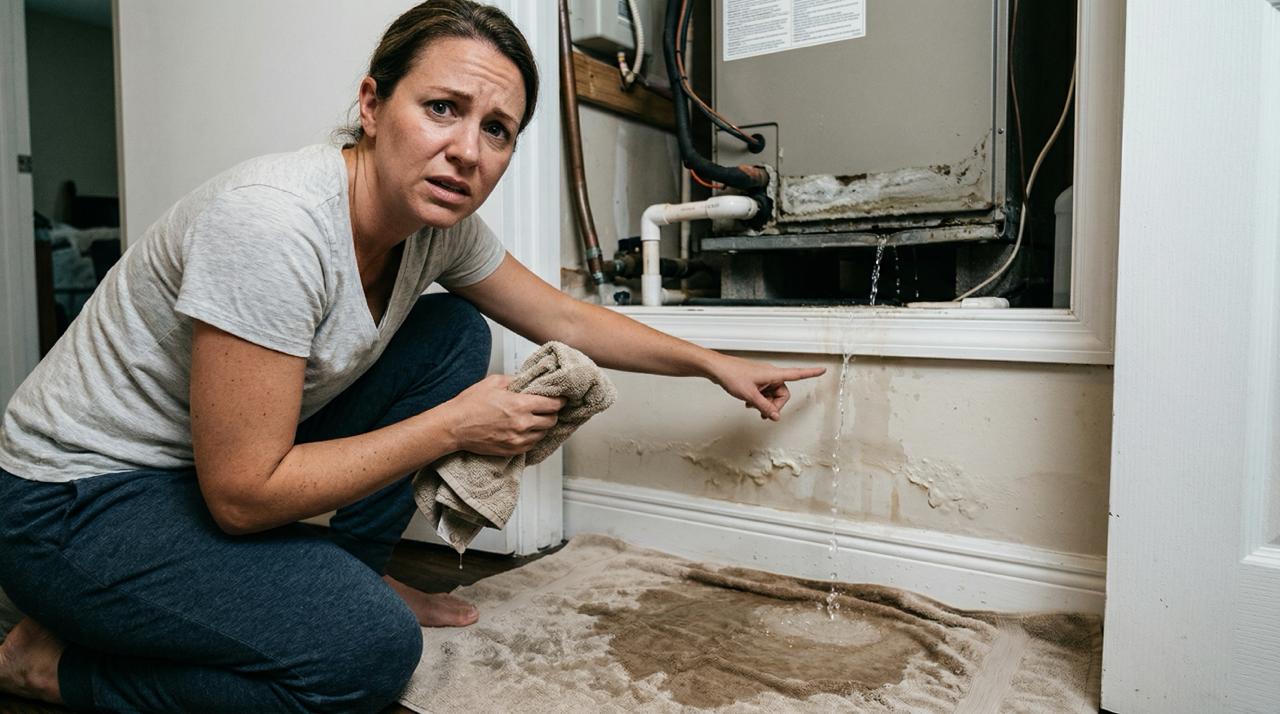
You come home after a long day, walk into your hallway, and step into a puddle. You look up — water is dripping from the ceiling around your air handler. The floor is soaked. Your baseboards are swelling. Your AC is leaking water, and suddenly a normal Tuesday turns into a disaster you didn’t plan for.
This is not a hypothetical. We get this call multiple times a day across Miami-Dade and Broward County — especially between April and October when humidity spikes above 73% and every AC in South Florida runs nearly nonstop. If your air conditioner is leaking water inside your house right now, this guide tells you exactly what’s happening, what to do immediately, and how to prevent it from ever happening again.
Why Miami ACs Leak More Than Anywhere Else
If you moved here from up north, you need to understand something: AC water leaks in Miami are not the same problem they are in Charlotte, Dallas, or Atlanta. Miami’s climate creates conditions that make water leaks inevitable without proper maintenance.
Your AC doesn’t just cool air — it removes moisture. In South Florida, where outdoor humidity averages 73% year-round and regularly exceeds 85-90% in summer, your AC system pulls 10 to 20 gallons of water out of the air every single day. That water has to go somewhere. It collects on the evaporator coil, drips into a drain pan, and flows out through a condensate drain line — a small PVC pipe that leads outside.
Here’s the problem: Miami’s heat and humidity turn that drain line into a breeding ground for algae and mold. A warm, wet PVC pipe in a 90-degree attic is the perfect environment for biological growth. Add the fact that your AC runs 12-16 hours per day for 8+ months, and the volume of water flowing through that system is three to four times what a northern AC handles. More water, more organic growth, more clogs, more leaks.
Coastal homes in Miami Beach, Brickell, Fort Lauderdale, and Aventura face an additional factor: salt air accelerates corrosion on drain pans and copper fittings. A drain pan that lasts 15 years in Ohio may rust through in 8-10 years here.
7 Causes of AC Water Leaks in Miami (Ranked by Frequency)
1. Clogged Condensate Drain Line — The #1 Cause in Miami
This is the cause behind roughly 70% of AC water leak calls we respond to across Hialeah, Doral, Hollywood, Pembroke Pines, and Coral Gables. Algae, mold, and biofilm accumulate inside the condensate drain line until water can no longer flow. The drain pan fills up, overflows, and water starts pouring into your ceiling, down your walls, or across your floor.
In Miami, this doesn’t happen once every few years — it happens every 3-6 months without regular maintenance. The combination of high humidity, year-round AC operation, and warm temperatures means algae grows faster here than anywhere else in the continental U.S.
Prevention: A professional condensate drain line flush costs $75-$150 and takes 30 minutes. It prevents $5,000+ in potential water damage, mold remediation, and ceiling repairs. Schedule one every 3-6 months in South Florida.
Cost to fix: $100-$250 (professional drain line clearing)
2. Dirty or Frozen Evaporator Coil
When dust, pet dander, and debris coat the evaporator coil, two things happen. First, airflow drops. Second, the coil temperature falls below freezing. A thick layer of ice forms on the coil, and when the system cycles off, all that ice melts at once — overwhelming the drain pan and flooding the area around your air handler.
In Miami, the problem is compounded by humidity. More moisture in the air means more condensation on the coil surface, which means more ice when airflow is restricted. A coil that’s 30% blocked with buildup in Phoenix might just reduce efficiency. In Miami, that same coil freezes solid and dumps gallons of water onto your floor. A frozen coil also stops pulling moisture out of the air, which is why many of these calls overlap with Miami AC running but the home still feels sticky — same root cause, two different symptoms.
Cost to fix: $150-$400 (professional coil cleaning) — get a full AC coil cleaning annually to prevent ice buildup
3. Cracked or Rusted Drain Pan
The drain pan sits directly under the evaporator coil and catches condensation before routing it to the drain line. Over time — especially in Miami’s corrosive coastal environment — these pans develop cracks, rust spots, or corroded seams. Water drips right through the pan instead of flowing to the drain.
Metal drain pans in homes near the coast in Hollywood, Fort Lauderdale, and Aventura are particularly vulnerable to salt air corrosion. If your system is over 10 years old and you’ve never had the pan inspected, this should be on your maintenance checklist.
Cost to fix: $200-$600 (drain pan replacement)
4. Low Refrigerant Causing Ice Buildup
When refrigerant levels drop (always due to a leak — refrigerant doesn’t “get used up”), the evaporator coil gets too cold. Ice forms on the coil and refrigerant lines. When the ice melts, it produces far more water than the drain pan can handle, resulting in AC water leaking inside your house.
Refrigerant leaks are especially common in coastal South Florida homes where salt air corrodes copper tubing and creates pinhole leaks. If your AC is leaking water and not cooling properly, low refrigerant is a prime suspect. This requires a licensed HVAC technician with EPA 608 certification — it is a federal violation to handle refrigerant without proper credentials.
Cost to fix: $200-$600 (recharge) + $300-$1,200 (leak repair) — schedule an AC leak repair in Miami
5. Disconnected or Improperly Sloped Drain Line
The condensate drain line must slope downward for gravity to move water out. If the line was installed without enough pitch, shifted during settling, or came loose at a fitting, water pools inside the line instead of flowing out. This is surprisingly common in Miami’s fast-build construction — especially in condos and townhomes built during the 2000s construction boom.
Cost to fix: $100-$350 (re-slope or reconnect the drain line)
6. Improper AC Installation
An AC system that wasn’t installed correctly will leak water eventually. Common installation mistakes include: no P-trap on the drain line, wrong drain pan size, missing secondary drain pan for attic units, and no float switch. Miami has no shortage of unlicensed installers — always verify your contractor holds a valid Florida CAC license before any AC work.
Red Flag
If your AC was installed within the last 2-3 years and it’s already leaking, the installation may be at fault. A properly installed system should not develop water leaks from construction defects. Request a second opinion from a different licensed contractor.
Cost to fix: $200-$800 depending on what needs correction
7. Broken Condensate Pump
Some AC installations — particularly in Brickell condos, Aventura high-rises, and basement-level units — can’t rely on gravity to drain condensate water. These systems use a condensate pump to push water up and out to a drain. When the pump fails, water has nowhere to go and backs up into your living space.
Cost to fix: $150-$400 (condensate pump replacement)
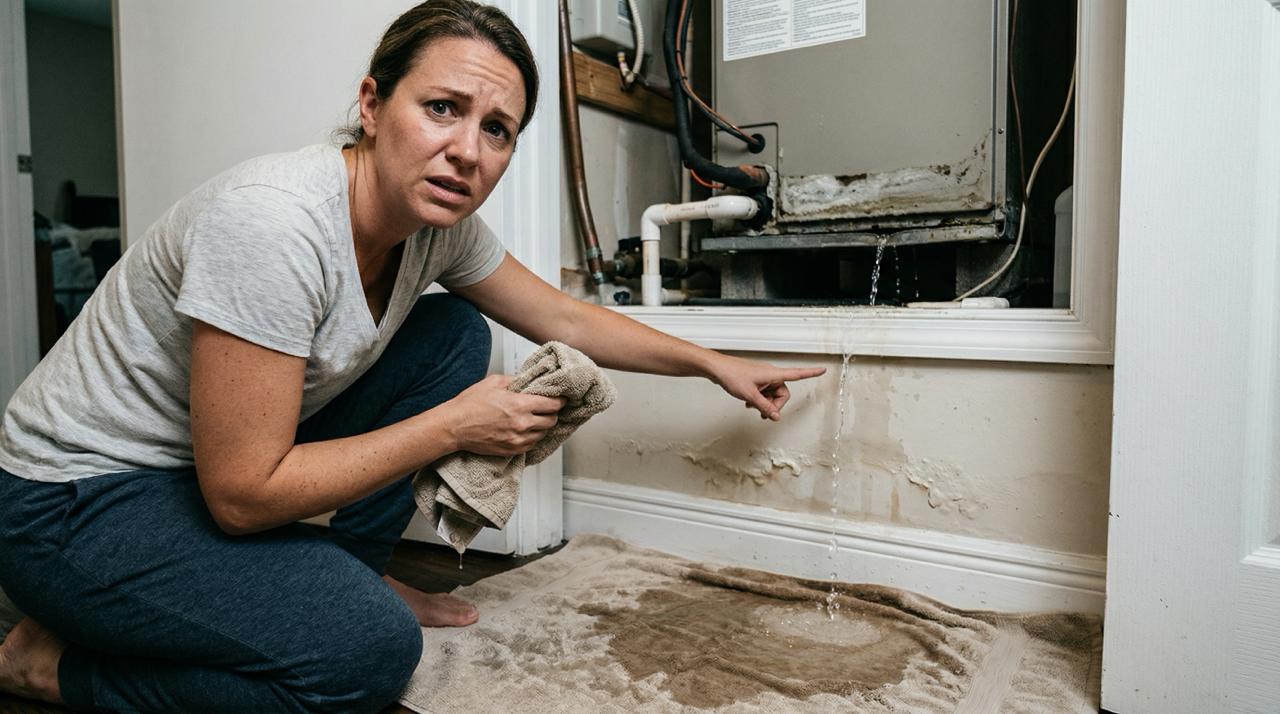
What to Do RIGHT NOW If Your AC Is Leaking Water
If you’re reading this with water actively dripping from your AC, follow these steps in order:
- Turn off the AC at the thermostat. Set it to OFF, not just raising the temperature. Every minute the system runs with a clogged drain produces more water.
- If water is near any electrical panel, wiring, or outlets, shut off the breaker. Water and electricity are a lethal combination. Don’t take chances.
- Place towels and buckets under the leak. Contain the water before it spreads to more flooring, drywall, or the unit below you.
- Take photos and video of all water damage. Document the source of the leak, the extent of water spread, and any damage to walls, ceilings, or flooring. Your insurance company will require this if you file a claim.
- Check the float switch. Look at your drain pan — if it has a small switch attached to it, the float switch may have tripped. Some systems shut off automatically when the pan fills. If yours didn’t, you need a float switch installed.
- Try flushing the drain line (DIY). Locate the outdoor condensate drain port (a PVC pipe near your outdoor unit). Attach a wet/dry vacuum to suction any clog. Then pour a cup of distilled white vinegar into the indoor drain access point near the air handler. Wait 30 minutes.
- If the clog doesn’t clear in 30 minutes, call a licensed HVAC contractor. The clog may be too deep, or the issue may be a cracked drain pan or failed condensate pump — neither of which you can fix yourself.
Time is critical in Miami: With 70-90% humidity and warm indoor temperatures, mold can begin colonizing within 24-48 hours of water exposure. Not the 72 hours often cited for drier climates. Every hour of standing water in a Miami home accelerates mold risk.
Condo Owners: AC Leaks Are Your Liability
If you own a condo in Brickell, Aventura, Hollywood, or anywhere in Miami-Dade or Broward, AC water leaks carry an additional layer of risk that homeowners don’t face: damage to the unit below you.
Miami condos typically have shared drain risers. Your AC’s condensate line may connect to a shared vertical drain stack that serves multiple units. When your line clogs, water doesn’t just stay in your unit — it can travel through ceilings, walls, and shared infrastructure into your neighbor’s home. And under Florida Statute 718 (the Florida Condominium Act), you are typically liable for damage caused by your unit’s AC system.
What to do immediately if your condo AC leaks:
- Shut off the AC and contain the water
- Notify your condo association in writing within 24 hours
- Contact your HO-6 condo insurance carrier
- Document all damage with photos, videos, and timestamps
- Follow up with certified mail or email to create a paper trail
- Get the leak repaired by a licensed HVAC contractor — keep the invoice
Your HO-6 policy covers your unit’s interior. The condo association’s master policy covers common elements. If your AC causes damage to the unit below, the affected neighbor will likely file against your HO-6 policy. Maintaining your AC and having regular maintenance on your AC system is your best legal and financial protection.
Is AC Water Damage Covered by Insurance?
Florida homeowners insurance typically distinguishes between two types of water damage:
Sudden and accidental — a drain line that breaks, a pan that cracks unexpectedly, a condensate pump that fails without warning. This is usually covered under standard Florida homeowners policies.
Gradual damage from deferred maintenance — a drain line that’s been slowly clogging for months, a rusted pan you knew about but didn’t replace, water stains that appeared weeks ago and were ignored. This is typically denied.
Your insurer will ask for maintenance records. If you can show consistent annual AC maintenance visits, you strengthen your claim significantly. If you have no maintenance history and the adjuster determines the damage was preventable, expect a denial.
Pro tip from the field: When we respond to a leak call, we document everything — the cause, the condition of the drain line, the age of the pan, and photos of the repair. Keep this documentation. Your insurance adjuster will request it.
The Real Cost: AC Leak Repair vs. Water Damage
The reason we stress prevention so heavily is the math. Here’s the full picture of what an ignored AC water leak costs in Miami — not just the HVAC repair, but the downstream damage that no competitor in this market talks about:
| Item | Cost Range (Miami 2026) |
|---|---|
| Condensate drain line clearing | $100–$250 |
| Drain pan replacement | $200–$600 |
| Float switch installation | $75–$150 |
| Evaporator coil cleaning | $150–$400 |
| Condensate pump replacement | $150–$400 |
| Ceiling drywall repair (minor) | $300–$800 |
| Ceiling drywall repair (moderate) | $800–$2,500 |
| Mold remediation (small area) | $500–$1,500 |
| Mold remediation (major spread) | $1,500–$5,000+ |
| Flooring replacement (water-damaged) | $1,000–$4,000 |
A $75-$150 drain line flush every 3-6 months prevents most of this. A $75-$150 float switch stops the rest. Total prevention cost per year: roughly $150-$300. Total cost of one major AC water damage event in Miami: $3,000 to $10,000+. For a full breakdown of AC repair pricing in Miami, see our AC leak water damage cost guide.
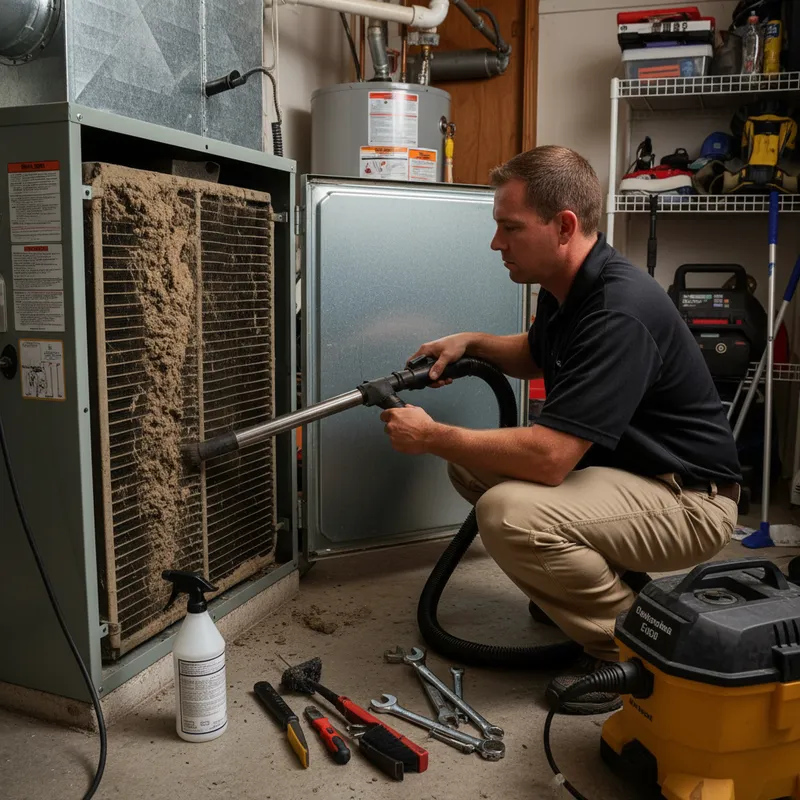
Prevention Checklist: How to Stop AC Water Leaks Before They Start
Every item on this checklist costs a fraction of what water damage repair costs. If you own a home or condo in South Florida, this is your 2026 AC water leak prevention plan:
- Install a float switch ($75-$150). This is the single best investment for any Miami homeowner. A float switch detects when water backs up in the drain pan and shuts off the AC before it overflows. Florida building code requires them in certain installations (especially attic-mounted air handlers), but many older systems don’t have one. Ask your HVAC technician to install one at your next service visit.
- Flush the condensate drain line every 3-6 months. Pour a cup of distilled white vinegar down the indoor drain access point quarterly to prevent algae buildup. Schedule a professional flush with a licensed HVAC contractor at least twice a year.
- Change your air filter every 30-60 days. A clogged filter is the #1 cause of frozen coils, which causes water leaks when the ice melts. In Miami’s dusty, pollen-heavy environment, 90-day filters don’t last 90 days. Check monthly, replace when it’s gray.
- Schedule annual AC maintenance. A professional tune-up catches drain pan corrosion, slow drain lines, and coil buildup before they become water damage events. Read our full guide on AC maintenance costs in Miami for 2026.
- Inspect the drain pan annually. Look for rust spots, cracks, or standing water in the pan when the system is running. If the pan has visible corrosion, replace it proactively — it’s $200-$600 now versus $3,000+ in water damage later.
- Keep the outdoor drain port clear. The condensate line exits outside near your outdoor AC unit. Make sure it’s not buried under mulch, blocked by landscaping, or capped. Water needs a clear exit path.
How to Limit AC Water Leak Damage: A Licensed HVAC Pro’s Prevention Playbook
Everything above tells you WHY your AC leaks. This section is the how-to-stop-it-from-destroying-your-home part — written by a licensed Florida HVAC contractor (#CAC1817115) with 20+ years of service in Miami-Dade and Broward. These are the exact protections we install in our customers’ homes so a single drain clog doesn’t turn into a $10,000 drywall rebuild.
1. Install an Anti-Flood Water Leak Detector + Auto-Shutoff
This is the single most important device most Miami homeowners don’t have. A water leak sensor sits on the floor under your air handler. The moment it touches water, it triggers and shuts the AC off automatically before the drain pan overflows and floods the ceiling. Brands like the WAGS (Water Alarm Guard System), EZ Trap, and smart Wi-Fi detectors from Moen Flo and Honeywell all do this.
- Cost: $40–$250 depending on model + professional install
- Wi-Fi models text your phone when triggered — even if you’re out of town
- Pays for itself the first time it catches a leak at 2 AM instead of 2 PM
- Critical for condo owners (see the Condo section above — your unit’s flood hits the neighbor below you)
2. Install a Float Switch on the Drain Pan (Required on Most FL Installs)
Different from a water sensor — a float switch installs INSIDE the secondary drain pan. If water backs up in the pan because the primary drain is clogged, the float rises and cuts power to the AC. Florida building code now requires them on most new installs, especially attic-mounted systems. Many older Miami homes (pre-2010) don’t have one. If your system is older, ask your technician to add it at the next service call — it’s $75–$150 installed.
3. Get a Full 31-Point AC Inspection Every Year
The difference between a $29 “tune-up” scam and a real annual inspection is what the tech actually checks. A legitimate 31-point AC inspection walks every major failure point that causes water leaks: drain pan condition, drain line slope, trap integrity, coil fouling, refrigerant charge, blower speed, airflow, and float switch function. This catches the slow leak BEFORE it becomes a drip through your ceiling.
4. Run a Condensate Drain Flow Test
On every maintenance visit, we pour a measured amount of water into the drain access point and time how fast it exits outside. A healthy 3/4-inch PVC drain line should clear a cup of water in under 15 seconds. If it’s slow, there’s biofilm or partial blockage building — catch it now at $0 extra, avoid a $3,000 ceiling repair later. This test takes 60 seconds and NO homeowner asks for it because they don’t know it exists. Ask for it by name at your next service.
5. Run an Airflow Test + Confirm the Coil Is Actually Clean
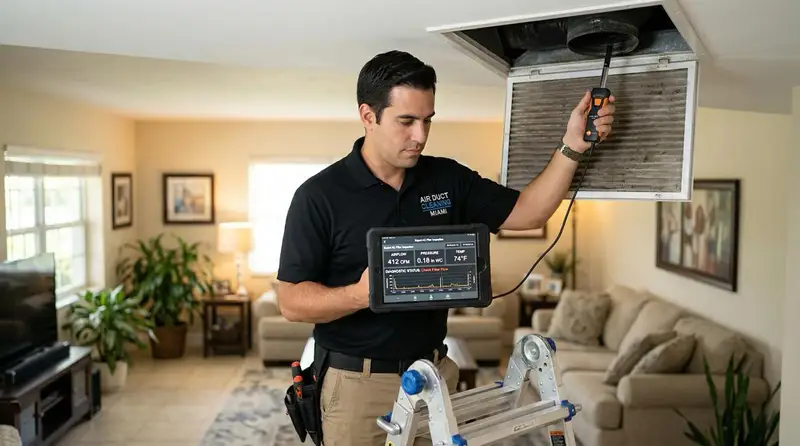
This is the one homeowners miss. A dirty evaporator coil is the #1 cause of a frozen coil — and a frozen coil dumps water all over your air handler when it thaws. A real airflow test measures static pressure across the coil. If the reading is high, the coil is restricted with dust, biofilm, or mold. A dirty coil holds water inside the unit and prevents proper drainage. Customers think they cleaned the coil when someone sprayed it with a garden hose. That’s not cleaning — that’s pushing the dirt deeper. A real professional coil cleaning uses EPA-registered chemicals + controlled extraction.
6. Make Sure Your Drain Pipe Is the Right Size (3/4” Minimum)
You’d be shocked how many Miami condos have 1/2-inch drain lines installed by unlicensed handymen. That undersized pipe clogs 3–4x faster than a proper 3/4-inch line. Florida code requires 3/4-inch PVC minimum for residential condensate drains, with a proper 1/8-inch-per-foot slope toward the exterior exit point. If your install was done by a handyman (see our handyman warning), have a licensed HVAC contractor verify the pipe size and slope on the next visit.
7. Book Professional Chemical Coil Cleaning Every Year
A yearly professional chemical coil cleaning is the single best thing you can do to prevent water leaks from the number-one root cause: fouled coils. This is NOT a tune-up. It’s a separate service where we pull the coil access panels, apply EPA-registered alkaline cleaner, let it dwell, rinse with a controlled extraction vacuum, and treat with an antimicrobial. In Miami humidity + year-round AC operation, coils get slimed with biofilm in 8–12 months. Skip this and you’re guaranteed a frozen-coil leak within 2–3 years.
8. Replace the Drain Pan BEFORE It Rusts Through
Most Miami AC drain pans are galvanized or plastic. The galvanized ones rust through after 12–15 years. By the time you see rust — water is already seeping. At year 10, we proactively inspect the pan; at year 12, we recommend replacement ($200–$600). Versus the $3,000–$10,000 in water + mold damage if you wait.
DIY vs. Call a Pro: When Each Makes Sense
| Situation | DIY? | Call Licensed HVAC? |
|---|---|---|
| Minor drain line clog, no damage | Try vinegar flush first | If flush fails after 30 min |
| Water dripping from ceiling | No | Immediately |
| Frozen coil with water pooling | Turn off + let thaw | If it refreezes within 48 hrs |
| Rusted or cracked drain pan | No | Parts + labor required |
| Low refrigerant / ice on lines | No | Requires EPA 608 certification |
| Condensate pump failure | No | Electrical + plumbing involved |
| Improperly sloped drain line | No | Requires FL CAC license |
We’ll always tell you honestly if you don’t need a service call. A clogged drain line you can clear yourself with vinegar and a shop vac? Save your money. Water running down your walls in a Pembroke Pines condo at 10 PM? That’s a same-day emergency — call (305) 607-3244 right now.
Frequently Asked Questions
The most common cause is a clogged condensate drain line. Your AC pulls moisture from the air, and that water drains through a PVC line. When algae, mold, or debris block the line, water backs up and overflows inside your home. In Miami, the high humidity and year-round AC use make drain line clogs the #1 cause of AC water leaks.
No. Turn your AC off at the thermostat immediately. Running an AC with an active water leak can cause electrical shorts, damage the air handler, promote rapid mold growth, and cause water damage to ceilings, walls, and flooring. If water is near any electrical panel or wiring, also shut off the breaker.
A condensate drain line clearing costs $100-$250. Drain pan replacement runs $200-$600. A float switch installation is $75-$150. However, ignoring a leak leads to far greater costs: ceiling drywall repair ($300-$2,500), mold remediation ($500-$5,000+), and potential insurance complications. A $75-$150 drain line flush prevents thousands in damage.
Yes, and it happens fast in Miami. With 70-90% outdoor humidity and warm temperatures year-round, mold can begin growing within 24-48 hours of water exposure — not the 72 hours often cited for drier climates. AC water leaks that go unaddressed for even a few days can lead to mold in drywall, insulation, and air ducts.
In South Florida’s climate, mold can colonize within 24-48 hours of water exposure. The combination of high humidity, warm temperatures, and organic material in drywall and carpet creates ideal mold conditions. This is why treating an AC water leak as an emergency — not a nuisance — is critical in Miami.
Under Florida Statute 718 (Florida Condominium Act), the unit owner is typically responsible for the AC system and any damage it causes — including damage to a neighbor’s unit below. Your HO-6 condo insurance covers your unit’s interior. The condo association’s master policy covers common elements. Document everything immediately and notify your condo association in writing within 24 hours.
It depends on whether the leak was sudden or gradual. Sudden, accidental water damage (a drain line that breaks or a pan that cracks unexpectedly) is typically covered. Gradual damage from a slow leak you ignored or failed to maintain is typically denied. Insurers will ask for maintenance records, so keep documentation of all AC service visits.
A float switch is a safety device installed on your AC’s condensate drain line or drain pan. When water backs up past a safe level, the float switch shuts off the AC before it overflows. It costs $75-$150 installed and prevents thousands in potential water damage. Every Miami home should have one — Florida building code requires them in certain installations, especially attic-mounted air handlers.
Miami’s year-round heat and humidity create a perfect environment for algae and mold growth inside condensate drain lines. Your AC removes 10-20 gallons of moisture per day in summer, and that warm, wet PVC pipe becomes a breeding ground. Without regular flushing — ideally every 3-6 months — the line will clog repeatedly. Quarterly vinegar flushes and annual professional drain treatments prevent recurring clogs.
For minor clogs, yes. Locate the outdoor drain port (a PVC pipe near your condenser), attach a wet/dry vacuum to suction the clog, then pour a cup of distilled white vinegar down the indoor drain access point. If water flow doesn’t resume within 30 minutes, or if the system keeps shutting off, call a licensed HVAC contractor — the clog may be deeper in the line or the drain pan may be damaged.
The Bottom Line From a Licensed Miami Contractor
An AC leaking water in Miami is not a minor inconvenience — it’s a 24-48 hour countdown to mold, drywall damage, and an insurance headache. The good news is that nearly every water leak is preventable with basic maintenance that costs a fraction of the repair.
If your AC is leaking right now, turn it off, contain the water, and call us. We diagnose and repair AC water leaks across every city in Miami-Dade and Broward County — same-day appointments, AC diagnostic fee waived with job approval, free estimates. We send licensed technicians, not commission salespeople.
If your AC is working fine today, do the one thing that prevents 90% of these emergencies: schedule a drain line flush and AC maintenance visit before Miami’s humidity peaks in June. A $150 visit today prevents a $5,000 disaster tomorrow.
(305) 607-3244 — call right now or book online.