Our Services
Duct & Vent CleaningFrom Free Estimates
›
AC MaintenancePackages from $149
›
Indoor Air QualityThermostats, UV Lights & More
›
CommercialRefrigeration & Restaurant
›
Quick Links
When standard cleaning is not enough. Our hospital-grade antimicrobial treatment kills Aspergillus, Penicillium, and black mold spores at the cellular level -- the same protocol used in hospital HVAC systems. Serving all of Miami-Dade and Broward County.
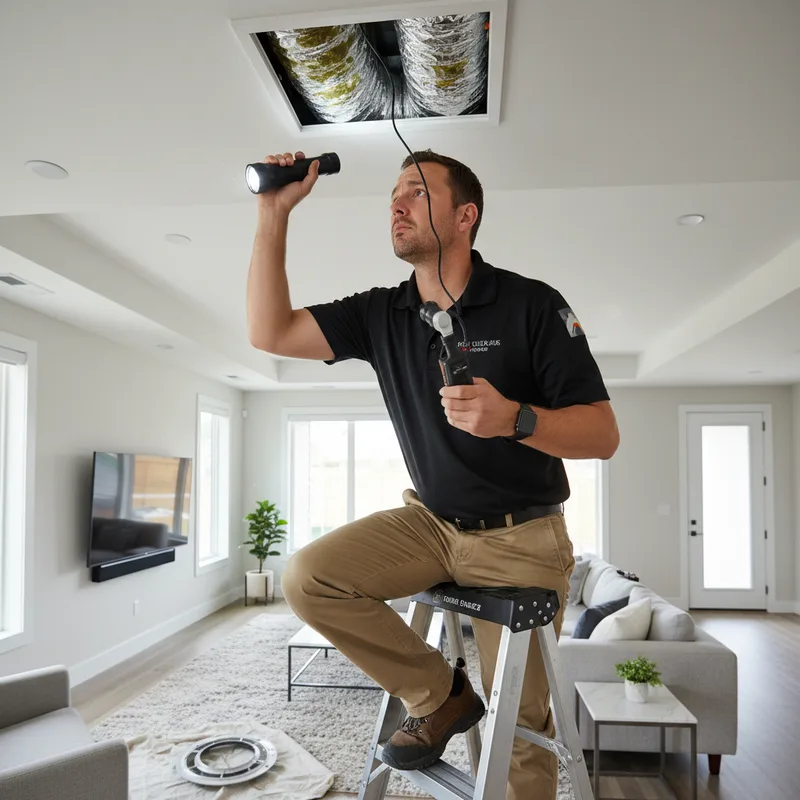
Hospital-grade fungal treatment is a specialized antimicrobial protocol that destroys fungal spores at the cellular level -- far beyond what standard duct cleaning or deodorizer service can achieve.
Fungal treatment for AC and air ducts uses EPA-registered antimicrobial agents approved for healthcare facility HVAC systems. These hospital-grade agents penetrate fungal cell walls and destroy spores on contact -- including dormant spores that standard treatments leave behind. This is the same class of antimicrobial used in hospital operating rooms, ICUs, and sterile environments where airborne fungal contamination can be life-threatening.
This is NOT the same as mold remediation or deodorizer service. Mold remediation physically removes visible mold colonies from surfaces. Deodorizer service eliminates surface-level odors and bacteria. Fungal treatment goes to the cellular level -- killing Aspergillus, Penicillium, Stachybotrys, and Cladosporium spores that survive both remediation and standard antimicrobial sprays. Many homes need all three in sequence: remediation to remove bulk growth, then fungal treatment to kill residual spores, then ongoing prevention.
Why Miami homes are at highest risk: South Florida's year-round humidity (averaging 73-76% relative humidity) creates ideal conditions for fungal colonization inside HVAC systems. Your AC runs almost continuously, producing condensation on the evaporator coil and inside the ductwork. This persistent moisture, combined with organic debris (dust, skin cells, pet dander), feeds fungal colonies that produce spores circulated through every room in your home every time the system cycles. Standard cleaning removes debris but does not kill the spores embedded in duct insulation, coil fins, and drain pan biofilm.
System types we treat: Central air systems, split systems, heat pumps, and ductless mini-splits. We service all major brands including Rheem, Carrier, Trane, Goodman, Bryant, Daikin, Lennox, York, Amana, American Standard, Mitsubishi, Fujitsu, and LG. Whether you have a single-zone heat pump in a condo or a multi-zone central air system in a 4-bedroom home, we apply the full hospital-grade protocol.
We use EPA-registered antimicrobial agents approved for healthcare facilities. These are the same hospital-grade products used in operating room HVAC systems, ICU ventilation, and sterile pharmaceutical environments. They are not available at hardware stores and require professional application with specific contact times to achieve full kill rates on resistant fungal species.
No obligation to book. We assess your system and tell you exactly what we find.
These indicators suggest your HVAC system has a fungal contamination problem that standard cleaning and remediation cannot fully resolve.
If you have had duct cleaning or mold remediation done and the musty smell returns within weeks or months, dormant fungal spores survived the treatment and have recolonized. This is the #1 indicator that hospital-grade fungal treatment is needed.
If anyone in your home has a compromised immune system (transplant patients, chemotherapy, autoimmune conditions, HIV/AIDS), Aspergillus spores in the HVAC system pose a serious health risk. Pulmonologists routinely recommend hospital-grade HVAC treatment for these patients.
Any flooding, roof leak, pipe burst, or condensate overflow near the air handler seeds the duct system with fungal spores. In Miami's climate, spores colonize within 24-48 hours of water contact. Post-flood remediation alone is not enough.
Persistent coughing, wheezing, sinus infections, or shortness of breath that improves when you leave the house -- especially in family members with asthma or allergies. Aspergillus and Penicillium spores are known respiratory irritants even in healthy individuals.
If mold on your vents, coil, or inside the air handler keeps returning after professional remediation, the treatment is not reaching the spores embedded in duct insulation, coil fins, and biofilm layers. Hospital-grade antimicrobial penetrates where standard products cannot.
If an indoor air quality test shows elevated Aspergillus, Penicillium, or Stachybotrys spore counts, your HVAC system is likely the distribution mechanism. Treating the HVAC system with hospital-grade antimicrobial is the fastest way to reduce airborne spore counts throughout the home.
A 5-step clinical protocol that assesses contamination, physically cleans the system, applies hospital-grade antimicrobial, maintains proper dwell time, and verifies results.
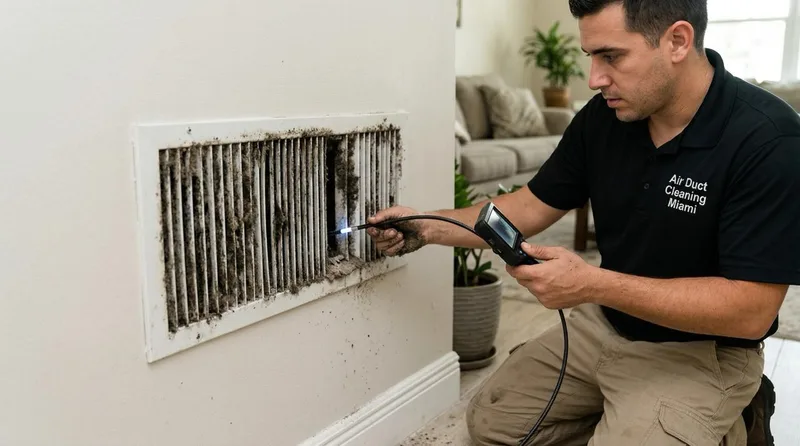
We perform a comprehensive inspection of every vent, the main trunk line, evaporator coil, air handler interior, and drain pan. We identify the type and severity of fungal contamination, map moisture sources that feed growth, and determine whether you need fungal treatment alone or combined with full mold remediation. We photograph everything and explain our findings before any work begins.
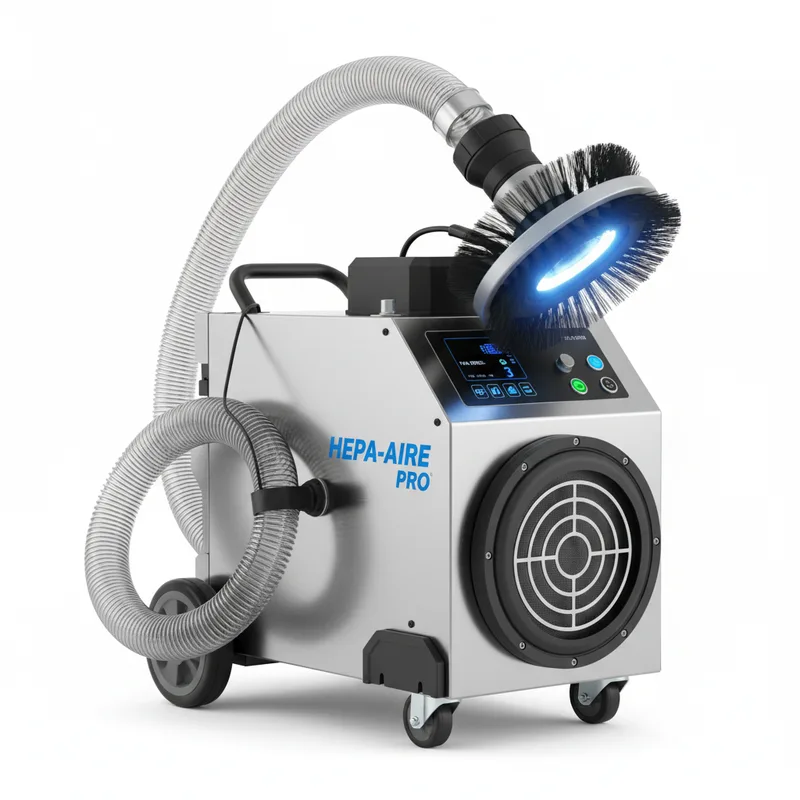
Free -- No Obligation to BookUsing HEPA-filtered negative air machines and rotary brush agitation, we physically remove fungal colonies, biofilm, and contaminated debris from duct walls, evaporator coil surfaces, and the air handler interior. This step removes bulk biomass so the antimicrobial can reach the spore layer underneath. Applying antimicrobial without physical cleaning first dramatically reduces effectiveness.
HEPA Negative-Air Extraction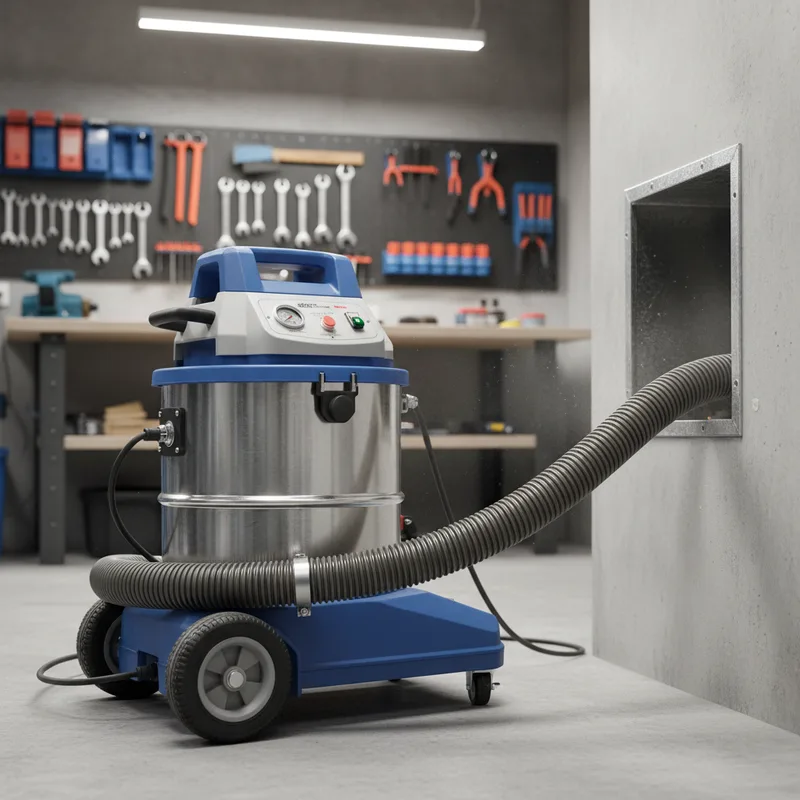
We apply EPA-registered hospital-grade antimicrobial throughout the entire duct system, evaporator coil, air handler, and drain pan. This antimicrobial penetrates fungal cell walls at the molecular level -- destroying both active colonies and dormant spores that standard treatments miss. It reaches every surface inside the ducts, including areas inaccessible to physical cleaning tools.
EPA-Registered Healthcare GradeThis is what separates hospital-grade from standard. The antimicrobial requires specific manufacturer-specified contact time to achieve full kill rates on resistant species like Aspergillus fumigatus and Stachybotrys chartarum. Most HVAC companies skip this step because it takes time. We do not. The dwell period ensures the antimicrobial fully penetrates spore walls and destroys the reproductive mechanism inside.
Full Kill Rate ProtocolWe restart the system, verify airflow and treatment coverage at every register, and confirm the antimicrobial has reached the entire duct network. We provide detailed maintenance recommendations based on your home's humidity levels, system age, and risk factors. For homes with ongoing moisture concerns, we recommend pairing with UV light installation for continuous fungal prevention.
System-Wide VerificationNot all antimicrobial treatments are the same. The difference between hospital-grade and standard products is the difference between eliminating the problem and temporarily suppressing it.
| Factor | Hospital-Grade Fungal Treatment |
Standard Antimicrobial |
Deodorizer Service |
|---|---|---|---|
| Kills dormant spores? | ✓ Yes | ✕ No | ✕ No |
| Penetrates fungal cell walls? | ✓ Yes | ✕ Surface only | ✕ No |
| Effective against Aspergillus? | ✓ Full kill | Partial | ✕ No |
| Effective against Stachybotrys (black mold)? | ✓ Full kill | Partial | ✕ No |
| Required dwell/contact time? | Manufacturer-specified protocol | Spray and go | None |
| Protection duration | 12-18 months | 3-6 months | 6-12 months (odor only) |
| Approved for healthcare facilities? | ✓ Yes | ✕ No | ✕ No |
| Best for | Recurring mold, immune-compromised, post-flood, high spore counts | Preventive maintenance, light contamination | Odor elimination, bacteria, light sanitization |
Standard antimicrobial sprays coat surfaces and kill active mold on contact -- but they do not reach dormant spores embedded in duct insulation, coil fins, and drain pan biofilm. These dormant spores reactivate within weeks as humidity returns. Hospital-grade antimicrobial penetrates the spore cell wall itself, destroying the reproductive mechanism. This is why hospital HVAC systems use it -- because in a healthcare environment, leaving dormant spores alive is not acceptable. Your family deserves the same standard.
South Florida's tropical climate supports aggressive fungal species inside HVAC systems. Here are the most common species our technicians identify and treat in Miami-Dade and Broward homes.
Aspergillus is the most frequently found fungal genus inside Miami HVAC systems. It thrives on the evaporator coil and in duct insulation. While most species cause allergy symptoms, Aspergillus fumigatus can cause serious respiratory infections (aspergillosis) in immune-compromised individuals. It produces tiny spores (2-3 microns) that bypass standard air filters and circulate through the entire home.
High Risk -- Immune-CompromisedPenicillium colonizes water-damaged HVAC components rapidly. It is especially common in Miami homes after hurricanes, roof leaks, or condensate line overflows. Penicillium produces mycotoxins -- toxic compounds that trigger allergic reactions, respiratory inflammation, and chronic sinusitis even in otherwise healthy individuals. It grows aggressively in the high humidity conditions inside South Florida duct systems.
High Risk -- Mycotoxin ExposureThe most feared household mold species. Stachybotrys produces trichothecene mycotoxins linked to serious health effects including chronic fatigue, headaches, memory problems, and respiratory damage. It requires persistent moisture and cellulose-based materials (like duct insulation or drywall) to grow. In Miami's humidity, post-flood HVAC systems are prime colonization sites for Stachybotrys.
High Risk -- Toxic MycotoxinsCladosporium enters HVAC systems through outdoor air intakes and return vents. It colonizes evaporator coils, drain pans, and duct surfaces rapidly in humid conditions. While less dangerous than Aspergillus or Stachybotrys, Cladosporium is one of the most common triggers for allergic rhinitis, asthma attacks, and chronic sinus congestion in South Florida. It produces olive-green to brown colonies on HVAC surfaces.
Moderate Risk -- Allergy & Asthma TriggerAdditional species commonly found in Miami HVAC systems include Alternaria (outdoor mold that colonizes duct interiors, major asthma trigger), Chaetomium (indicator of chronic water damage, musty "old book" odor), and Fusarium (produces mycotoxins, thrives in standing water in drain pans). Our hospital-grade antimicrobial treatment is effective against all of these species.
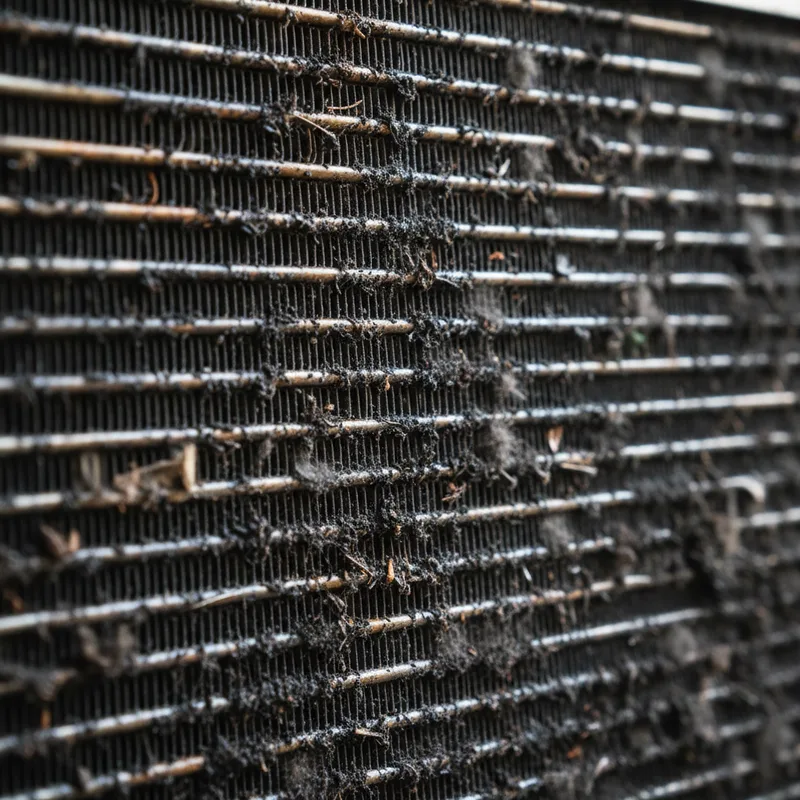
Hospital-grade fungal treatment is a targeted solution for specific situations where standard cleaning and remediation are not sufficient.
Transplant patients, chemotherapy patients, individuals with autoimmune conditions, and HIV/AIDS patients. Aspergillus spores are a documented health risk for these individuals. Many pulmonologists recommend hospital-grade HVAC treatment as part of the care plan.
Developing immune systems (infants) and declining immune systems (elderly) are more susceptible to fungal spore exposure. If your home has a nursery or elderly family member with respiratory conditions, hospital-grade treatment provides the highest level of protection.
Any water intrusion event near the HVAC system seeds fungal spores that colonize within 24-48 hours in Miami's humidity. Post-flood remediation removes visible damage but leaves dormant spores. Hospital-grade treatment is the only way to fully decontaminate the duct system.
If you have had mold remediation done and the problem keeps returning, dormant spores are surviving the treatment. Hospital-grade antimicrobial kills spores at the cellular level -- reaching the root cause that standard remediation misses.
Medical offices, dental practices, assisted living facilities, daycares, and commercial properties with liability exposure. Hospital-grade fungal treatment is the standard of care for these environments.
If you or your family members experience chronic allergies, asthma attacks, or sinus infections that improve when away from home, fungal spores circulating through the HVAC system may be the cause. Combined with whole-home air purification, fungal treatment provides maximum relief.
We determine whether your situation requires hospital-grade treatment or a different service. No obligation to book.
Hospital-grade fungal treatment is a premium service with pricing that reflects the cost of EPA-registered healthcare-grade antimicrobial agents and the extended treatment protocol required for full spore kill. Pricing depends on the size of your duct system, severity of fungal contamination, number of air handlers, and whether physical cleaning or mold remediation is needed before the antimicrobial application.
Why the investment makes sense: Repeated standard treatments that fail cost more over time than one hospital-grade treatment that works. If you have already paid for duct cleaning and mold remediation and the problem returned, you have already spent more than the difference between standard and hospital-grade. One properly executed hospital-grade treatment with full dwell time protocol typically resolves the problem permanently -- with 12-18 months of protection before retreatment.
We start with a free on-site assessment -- no obligation to book. We inspect your system, identify the contamination level and species indicators, and provide a detailed written quote before any work begins. There are no hidden fees and no pressure. Many customers choose to combine fungal treatment with complete HVAC cleaning for the most thorough results.
Maximize your protection: Adding UV light installation inside the air handler creates a continuous kill zone that destroys new fungal spores before they enter the duct system. This extends the life of your fungal treatment and is our top recommendation for homes with recurring contamination. For whole-home air quality protection, see our air purification systems.
Real results from Miami-Dade and Broward families who chose hospital-grade fungal treatment when standard services were not enough.
"My husband has a compromised immune system after transplant surgery. Our pulmonologist recommended we have the AC system treated for Aspergillus. These guys used a hospital-grade antimicrobial I had never seen any other HVAC company offer. The musty smell disappeared completely and my husband's breathing improved within days."
"We had mold remediation done twice in two years and the problem kept coming back. This company explained that remediation removes the visible mold but does not kill dormant spores. They did the hospital-grade fungal treatment after the third remediation. It has been 14 months and zero regrowth. The difference between standard and hospital-grade is real."
"After hurricane damage our condo had standing water near the air handler. Three months later, the musty smell was unbearable and my daughter kept getting sinus infections. They found Penicillium contamination and treated the entire system with hospital-grade antimicrobial. The smell was gone and my daughter's sinus infections stopped."
Fungal treatment eliminates the current contamination. These services prevent it from returning and address related concerns.
Also see: AC deodorizer & sanitization service for surface-level odor and bacteria treatment
Pricing depends on duct system size, contamination severity, number of air handlers, and whether physical cleaning or mold remediation is needed before antimicrobial application. Hospital-grade treatment is a premium service because the EPA-registered antimicrobial agents cost significantly more than standard products and the treatment protocol requires extended contact times. We provide a free on-site assessment with a detailed written quote before any work begins. No obligation to book. Call (305) 607-3244 or book online.
Mold remediation physically removes visible mold colonies from surfaces through containment, scrubbing, and removal. Fungal treatment goes deeper -- it kills fungal spores at the cellular level, including dormant spores invisible to the naked eye that survive standard remediation. Many homes need both services: mold remediation first to remove bulk growth, then hospital-grade fungal treatment to kill residual spores and prevent regrowth. Our free assessment determines exactly what your system needs.
Our hospital-grade antimicrobial is effective against all common HVAC fungal species found in South Florida: Aspergillus (all species including A. fumigatus), Penicillium, Stachybotrys chartarum (toxic black mold), Cladosporium, Alternaria, Chaetomium, and Fusarium. The antimicrobial destroys spore cell walls on contact and its residual barrier prevents recolonization for 12-18 months.
Yes. The EPA-registered antimicrobial agents we use are approved for healthcare facility HVAC systems where immune-compromised patients breathe the treated air. They are safe for homes with children, elderly family members, pets, and sensitive individuals once the treatment has completed its dwell time and dried. We ventilate during and after application. The active agents target fungal cell structures specifically without harmful residues.
Hospital-grade treatment provides 12 to 18 months of protection. Duration depends on humidity levels, AC usage, and whether the original moisture source has been resolved. In South Florida, we recommend annual retreatment as part of HVAC maintenance. Adding UV light installation extends treatment life by continuously killing new spores before they colonize.
Regular duct cleaning removes dust, debris, and surface contamination. It does not kill fungal spores. If you have recurring musty smells after cleanings, immune-compromised family members, post-flood conditions, or mold that keeps returning, you need fungal treatment in addition to physical cleaning. Our free assessment determines exactly which services your system requires.
Yes. We perform hospital-grade fungal treatment on all AC system types: central air, split systems, heat pumps, and ductless mini-splits. Mini-splits and heat pumps are particularly susceptible because their indoor units collect moisture in compact spaces. We disassemble the unit and treat every component. Brands we service include Rheem, Carrier, Trane, Goodman, Daikin, Mitsubishi, Fujitsu, LG, Lennox, York, Bryant, and American Standard.
Hospital-grade antimicrobial agents (1) penetrate fungal cell walls rather than just coating surfaces, (2) kill dormant spores that standard treatments miss, (3) require specific contact times that most HVAC companies skip, and (4) create a residual antimicrobial barrier that prevents recolonization. They are EPA-registered for use in healthcare facility HVAC systems where leaving dormant spores alive is not acceptable. Standard antimicrobial sprays only kill surface bacteria and active mold.
Fungal species cannot be identified by sight or smell alone. Warning signs include: persistent musty or earthy smell, visible growth on vents or inside the air handler, family members with unexplained respiratory symptoms that improve away from home, water leak history near the air handler, and high indoor humidity. Our free assessment includes detailed visual inspection and moisture mapping. If conditions suggest high-risk species, we recommend the hospital-grade protocol as a precaution.
Yes -- this is one of the most critical times. After water intrusion, fungal spores colonize duct interiors within 24-48 hours in Miami's climate. Even after water removal and surface drying, dormant spores remain in duct walls, coil fins, and insulation. Post-flood hospital-grade treatment should happen after the water source is resolved and physical cleaning is complete. It kills residual spores and prevents the dangerous regrowth cycle common in South Florida homes after storms and plumbing failures.
Professional fungal treatment for residential and commercial HVAC systems. Same-day service available in all cities listed below.
Don't see your city? Call (305) 607-3244 -- we likely serve your area. View our full service area.
Dormant fungal spores survive standard cleaning and remediation. Hospital-grade antimicrobial kills them at the cellular level. Book your free assessment and find out exactly what is living inside your HVAC system.
