

Dryer Vent Fire Prevention: What Every Miami Homeowner Must Know
Every year, approximately 2,900 home dryer fires are reported across the United States, according to the National Fire Protection Association. The #1 cause? Failure to clean the dryer vent. Not an electrical malfunction. Not a defective appliance. Simply lint buildup that nobody bothered to remove.
If you live in Miami, the risk is even higher than the national average. Our year-round humidity makes lint sticky and harder to expel, condo buildings have longer vent runs that trap more debris, and many homeowners have no idea their dryer vent even needs professional cleaning. This guide covers the warning signs, the prevention steps, and exactly what happens during a professional dryer vent cleaning — so you can protect your home and your family.
The Numbers Behind Dryer Vent Fires
Before we get into prevention, let’s look at why dryer vent fire prevention deserves your attention:
2,900 dryer fires per year in the U.S. — causing an estimated $35 million in property damage, 100 injuries, and 5 deaths annually. These are preventable fires caused by lint accumulation.
34% of dryer fires are caused by failure to clean the dryer vent — making it the single leading cause, ahead of mechanical failure and electrical problems combined.
Dryer fires peak in fall and winter — but in Miami, where dryers run year-round due to humidity making air-drying impractical, the risk never takes a season off.
The dryer lint fire hazard is real and well-documented. Lint is highly flammable. When it accumulates inside the vent line, it restricts airflow, causes the dryer to overheat, and creates the perfect conditions for ignition. A single spark from the heating element is all it takes.
5 Warning Signs Your Dryer Vent Is a Fire Risk
A clogged dryer vent fire doesn’t happen without warning. Your dryer gives you multiple signals that something is wrong — most homeowners just don’t know what to look for. Here are the five warning signs that mean your dryer vent needs immediate attention:
1. Clothes Take Longer Than One Cycle to Dry
This is the most common and earliest warning sign. If your dryer used to finish a load in 45 minutes and now it takes 70–90 minutes — or you’re running two full cycles — the vent is almost certainly restricted. Lint buildup blocks the hot, moist air from escaping, so your clothes sit in humid air instead of drying.
2. The Dryer Feels Excessively Hot
Touch the top of your dryer during a cycle. Warm is normal. Hot enough that you can’t comfortably rest your hand on it? That’s a problem. When the vent is clogged, heat has nowhere to go. The dryer’s internal temperature climbs dangerously high, stressing components and bringing lint closer to its ignition point of around 480°F.
3. You Smell Something Burning
A burning smell while the dryer is running is an emergency-level warning sign. This means lint inside the vent or near the heating element is getting hot enough to scorch. Stop the dryer immediately, disconnect it from power, and do not use it again until the vent has been professionally inspected and cleaned.
4. Visible Lint Buildup Around the Dryer
Check behind your dryer. If you see lint accumulating on the floor, on the exhaust hose connection, or around the dryer drum seal, it means lint is escaping from places it shouldn’t be — a sign of excessive internal pressure from a blocked vent line.
5. The Vent Flap Outside Doesn’t Open
Go outside and find where your dryer vent exits the building. When the dryer is running, the flap should be pushed open by the airflow, and you should feel a strong, steady stream of warm air. If the flap barely moves, if you feel weak airflow, or if you see lint hanging from the opening, the vent line is restricted.
Concerned About Your Dryer Vent?
Professional dryer vent cleaning removes fire-causing lint buildup. Licensed #CAC1817115. Same-day service available.
Schedule Dryer Vent Cleaning →Why Miami Homes Face Higher Dryer Vent Fire Risk
The national statistics are alarming enough, but several factors make dryer vent fire risk even greater for Miami homeowners:
Humidity Makes Lint Stick and Compact
Miami’s average relative humidity sits around 73%. That moisture gets pulled into your dryer vent along with the lint. Wet lint is sticky lint — it clings to the walls of the vent pipe, compacts into thick layers, and is much harder to dislodge than dry lint in arid climates. Over time, this creates dense blockages that a dryer’s exhaust fan simply cannot push through.
Longer Vent Runs in Condos and High-Rises
In a typical single-family home, the dryer vent might run 6–10 feet to an exterior wall. In a Miami condo or high-rise — and there are thousands of them across Brickell, Aventura, Sunny Isles, and Doral — the vent run can be 20–30 feet or more, with multiple bends and turns through walls and ceilings. Every foot of additional vent length and every 90-degree turn is another spot where lint accumulates. These longer runs need professional cleaning even more frequently than short, straight runs.
Year-Round Dryer Usage
In northern climates, many people air-dry clothes outdoors during summer. In Miami, the humidity makes outdoor drying impractical for much of the year. Your dryer runs 12 months a year, producing 12 months of lint. That’s 50% more usage than seasonal climates — and 50% faster lint accumulation.
Older Building Construction
Many Miami condos and apartment buildings built in the 1970s through 1990s have dryer vent systems that were not designed for modern high-efficiency dryers. The vents may be undersized, use corrugated flex hose (which traps lint in its ridges), or have connections that have loosened over decades. These older installations are particularly prone to dangerous lint buildup.
How to Prevent Dryer Fires: Step-by-Step
The good news about dryer vent fire prevention is that it’s straightforward. Here are the steps every Miami homeowner should follow:
Clean the Lint Trap After Every Single Load
This is the most basic step and the one most often skipped. Before or after every load, pull out the lint screen and remove all lint by hand. Once a month, wash the lint screen with soap and water to remove the invisible film left by dryer sheets — this film reduces airflow even when the screen looks clean. A clogged lint screen forces more lint into the vent line, accelerating the problem.
Schedule Professional Dryer Vent Cleaning Annually
The lint trap catches roughly 75% of lint. The other 25% passes through and accumulates inside the vent line over time. No amount of lint trap diligence eliminates this buildup. You need a professional with commercial-grade rotary brush equipment to clean the full vent line from dryer to exterior at least once per year. For Miami condos with long vent runs, every 6–8 months is safer. Check out our complete guide to dryer vent cleaning cost in Miami for pricing details.
Inspect the Outside Vent Regularly
Make it a habit to check your exterior vent opening every month. Make sure the flap moves freely, that there’s no lint or debris blocking the opening, and that no birds or insects have built nests inside (this is surprisingly common in South Florida). While the dryer is running, confirm you feel strong airflow.
Use Rigid Metal Vent Pipe
If your dryer is connected with a flexible plastic or foil vent hose, replace it with rigid or semi-rigid metal duct. Flexible hoses sag, creating low spots where lint collects. Their ridged interior surface traps lint much faster than smooth metal pipe. Rigid metal duct is the industry standard recommended by fire safety experts and dryer manufacturers.
Keep the Area Around Your Dryer Clear
Don’t store flammable items near your dryer. Clothing, cleaning supplies, cardboard boxes, and laundry baskets piled against or on top of the dryer increase fire risk. Maintain at least 12 inches of clearance behind the dryer so the exhaust hose isn’t kinked or crushed.
Never Leave the Dryer Running Unattended
Don’t start a dryer load and leave the house or go to bed. If a fire starts while you’re home and awake, you can catch it in the first seconds. If it starts while you’re asleep or away, the consequences can be devastating.
⚠ Don’t Risk a Dryer Fire
2,900 dryer fires per year. The #1 cause is failure to clean. Don’t become a statistic.
What Happens During Professional Dryer Vent Cleaning
If you’ve never had your dryer vent professionally cleaned, here’s what to expect when our technician arrives:
- Initial inspection — We disconnect the dryer and inspect the exhaust hose connection, the vent line entry point, and the exterior vent opening. We check for damage, disconnections, and signs of heavy lint buildup or moisture problems.
- Vent line assessment — Using specialized tools, we determine the length, routing, and condition of your vent line. This is especially important in Miami condos where vent runs can be 20+ feet with multiple turns.
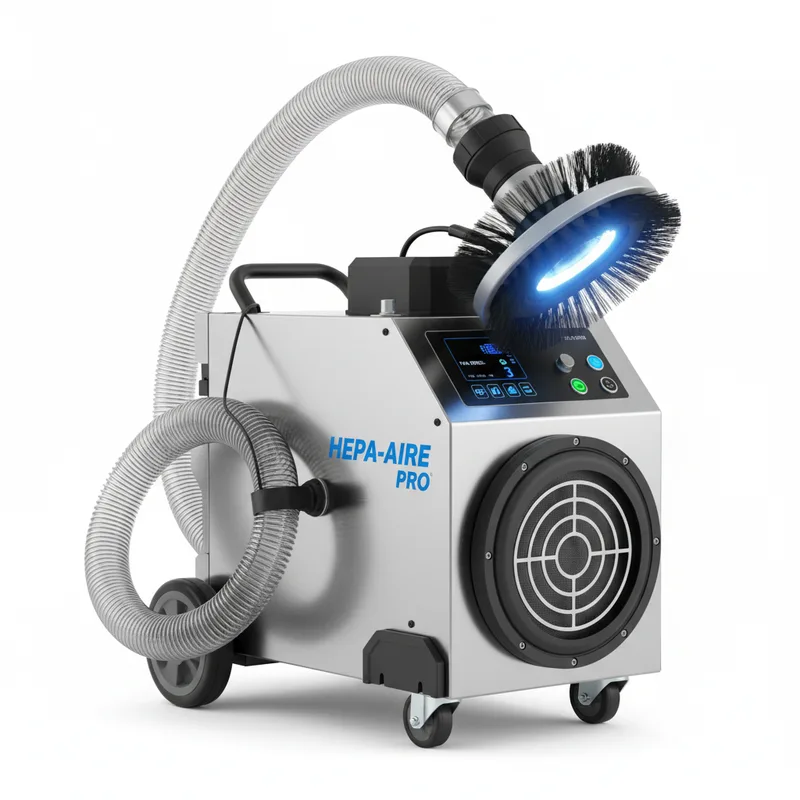
- Commercial-grade rotary brush cleaning — A high-powered rotary brush system is fed through the entire vent line, physically scrubbing compacted lint from the interior walls. This is not something a DIY brush kit from the hardware store can replicate — our equipment handles the full length and every bend in the line.
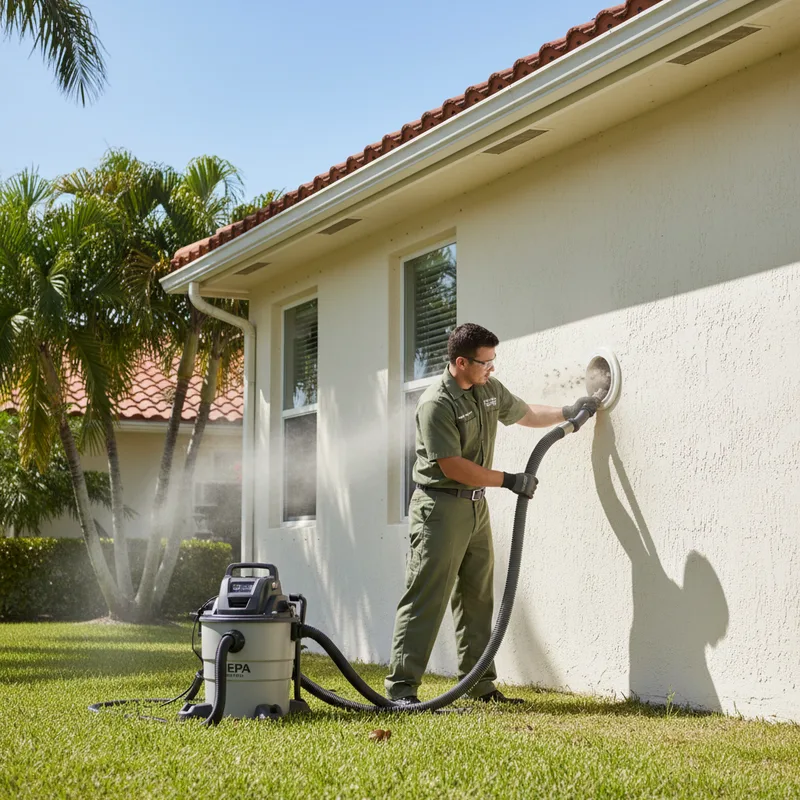
- High-powered vacuum extraction — While the brush loosens lint, a commercial vacuum captures it so debris doesn’t blow back into your laundry room or out the exterior vent.
- Connection inspection and repair — We check all connections, replace any damaged or crushed flex hose sections, and ensure the vent line is properly secured from dryer to exterior.
- Airflow verification — After cleaning, we run the dryer and confirm strong airflow at the exterior vent. You’ll feel the difference immediately. We also verify the vent flap opens and closes properly.
- Before-and-after documentation — We show you photos of the lint we removed so you can see exactly what was building up inside your walls.
The entire process takes 30–60 minutes for a standard vent run and up to 90 minutes for longer condo installations. When it’s done, your dryer will run more efficiently, dry clothes faster, use less energy, and — most importantly — operate safely.
Want to learn more about the process and pricing? Read our detailed dryer vent cleaning cost guide for Miami homeowners.
The Hidden Benefits of Clean Dryer Vents
Fire prevention is the primary reason to keep your dryer vent clean, but it’s not the only benefit:
- Lower energy bills: A clogged dryer vent forces your dryer to work harder and run longer. The U.S. Department of Energy estimates that a clean vent can reduce drying time by 25–30%, saving $18–$25 per month on electricity.
- Longer dryer lifespan: Overheating from restricted airflow is the #1 cause of premature dryer failure. A dryer that runs at proper temperature can last 12–15 years. One that constantly overheats may fail in 5–7 years. Replacing a dryer costs $600–$1,200.
- Less moisture in your home: When the vent is blocked, humid air backs up into your laundry room. In Miami, this added moisture promotes mold growth on walls, ceilings, and inside your air duct system. Clean vents keep that moisture going where it belongs — outside.
- Reduced carbon monoxide risk: If you have a gas dryer, a blocked vent can cause carbon monoxide to back up into your home instead of being safely exhausted outside. This is a life-threatening hazard.
- Better clothing care: Clothes dried at the correct temperature experience less heat damage, less shrinking, and less wear on fibers. Your clothes literally last longer when your dryer vent is clean.
Frequently Asked Questions
Protect Your Home — Call (305) 607-3244
Dryer vent fire prevention is one of the simplest and most affordable ways to protect your Miami home. For the cost of a single dryer vent cleaning — roughly $100–$170 — you eliminate the #1 cause of dryer fires, improve your dryer’s performance, and lower your energy bills.
We’re licensed (#CAC1817115), BBB A+ accredited, and have been serving Miami-Dade and Broward County homeowners for over a decade. See our dryer vent cleaning service or call (305) 607-3244 to schedule your cleaning today.
Schedule Your Dryer Vent Cleaning Today
Professional lint removal. Fire prevention. Same-day service available across Miami-Dade and Broward County.
Book Dryer Vent Cleaning →